For a quick lunch; Put to boil tagliatelle in salted water Cut spring onion (1 tbl. spoon p.p.) and cook 3 minutes in olive oil, together with 1 crushed garlic clove. (remove before adding tagliatelle) Add a little salt and pepper. Cut datterino tomatoes and dried tomatoes in small pieces and add to spring onion. cook just 3 minutes. When tagliatelle are ready, (al dente, don't rinse please,) add them to the vegetables together with a little bit of the tagliatelle cooking water. Mix and stir over high flame for one minute and serve. Optional fresh basil leaf to decorate. Buon appetito, Peter.
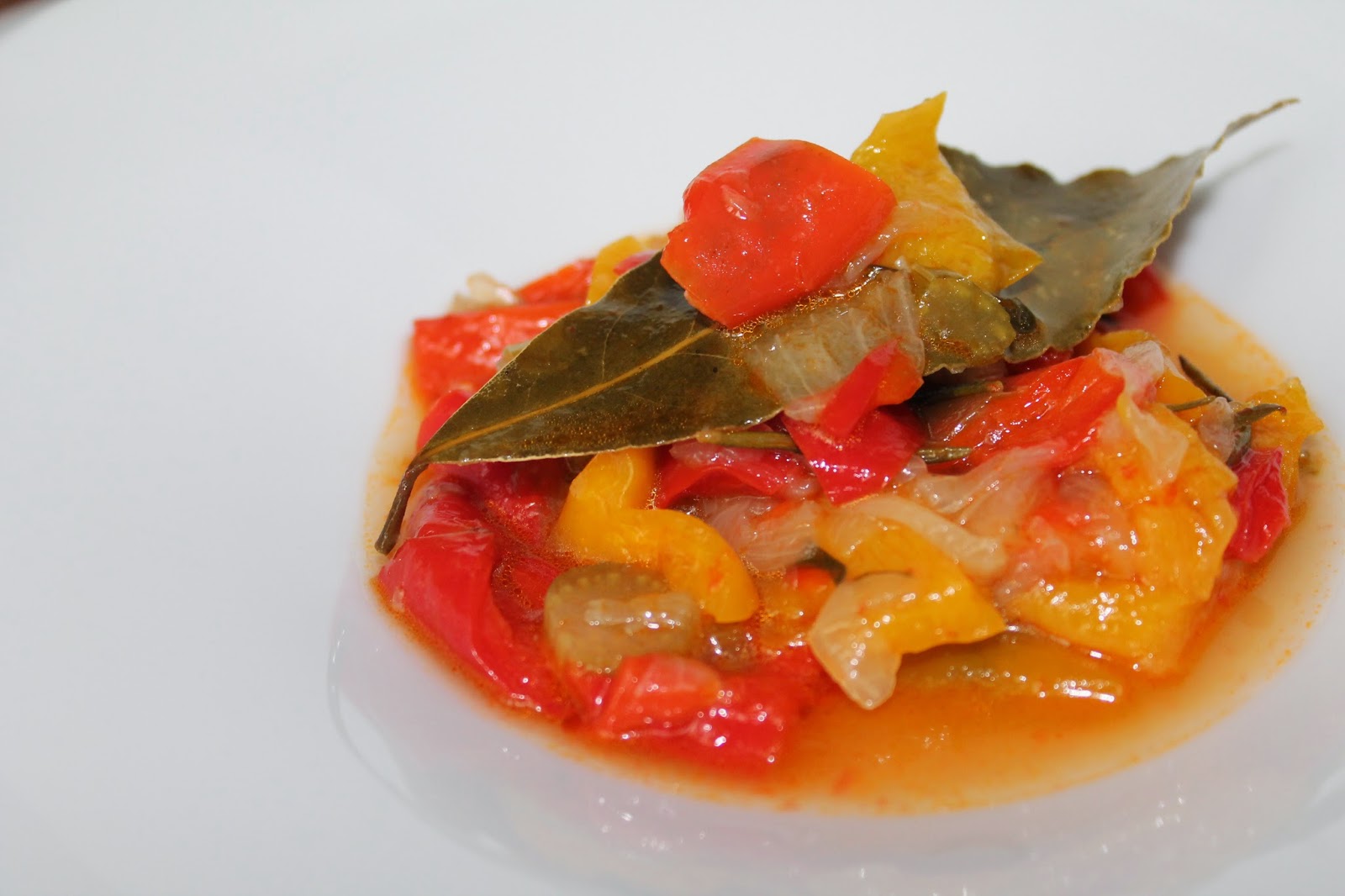
I used 4 bell peppers, 2 yellow and 2 red. 1 big white onion, 3 celery sticks and 2 garlic cloves. Futhermore; olive oil, bay leaf, rosemary and oregano, salt and pepper. I chopped the vegetables in small pieces and put all the ingredients in a pan. The most important trick to get a really sweet and yummie peperonata is : THE WAY YOU COOK IT !!!!!!!!! Use the smallest flame or lowest temperarure you can get and let it simmer for 2 HOURS !!(closed pan with lid) Don't add water! After 2 hours take off the lid and over higher flame let it cook until all the liquid evaporates. In this way the peperonata will get nice and creamy and very sweet! Buon appetito!


Commenti
Posta un commento